
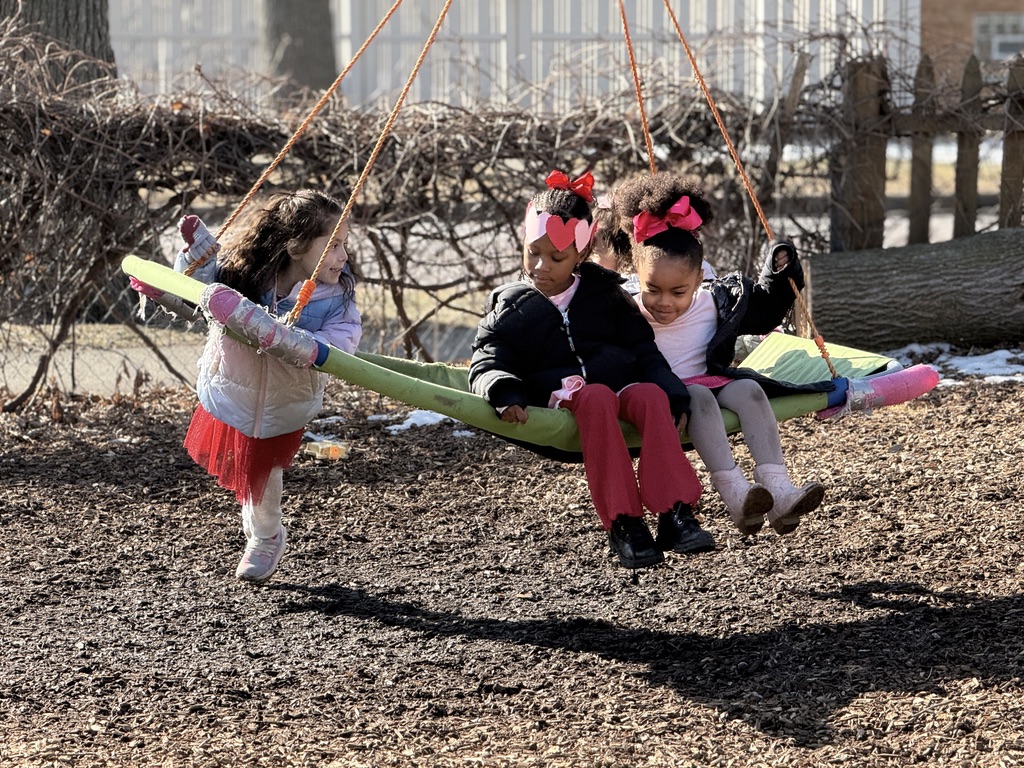
Uninterrupted play has a profound impact on childhood development, establishing critical neural pathways that lead to self-sufficiency and emotional regulation.
To put this into perspective, imagine immersing yourself in a new hobby that you thoroughly enjoy. As you sit down to navigate a challenging aspect of it through trial and error, a partner, family member, or friend suddenly interrupts, demanding that you stop and pivot to a task they deem more urgent. How would you react? It is natural to feel frustrated, annoyed, or even resentful.
Children experience these exact emotions when their focused play is disrupted. Even if an activity appears repetitive or trivial from an adult’s perspective, it holds immense developmental value. When we safeguard uninterrupted play in early childhood, we allow children to naturally cultivate deep focus, advanced problem-solving abilities, and robust social-emotional skills.
Our Approach to Play
At our academy, you will frequently see children spending extended periods outdoors. During these times, educators intentionally step back and refrain from directing the activity.
True uninterrupted play allows children to explore without adult redirection, provided the environment remains safe and age-appropriate. Peers are welcome to join, and adults only intervene if a conflict arises that the children cannot resolve independently. Ultimately, children should drive the narrative: choosing what to play, selecting their materials, and directing the outcome.
Cultivating Self-Regulation
Self-regulation is a natural byproduct of independent play. Returning to the hobby analogy, navigating a challenge can be deeply frustrating. However, as adults, we persevere because we have developed the capacity to manage big emotions and return to a state of calm.
While parents frequently step in to co-regulate a child’s feelings, uninterrupted play offers a rare, vital training ground for self-regulation. This state of deep engagement acts as a “flow state” for children. When they encounter an obstacle, they are highly motivated to find alternative solutions to achieve their goals.
Admittedly, stepping back can be challenging for parents. As a child’s frustration builds, they may stomp, vocalize their displeasure, or temporarily push a toy away. Whenever safe, try to pause before intervening. Allowing them the space to process that frustration gives them the opportunity to independently regain composure and resume playing.
Developing Self-Starters
The ability to self-initiate problem-solving is an invaluable asset, benefiting children not only in school but also throughout their future careers.
Through uninterrupted play, children learn how to initiate activity without waiting for adult direction or validation. This autonomy drastically reduces instances of boredom, as they become adept at generating their own engagement. While this is a skill cultivated over time—meaning younger children may initially require subtle prompts or suggestions—they will eventually master the ability to innovate and play entirely on their own initiative.